HVAC (Heating Ventilation & Air Conditioning)
- Stephen Waters
- Jul 5, 2025
- 2 min read

HVAC
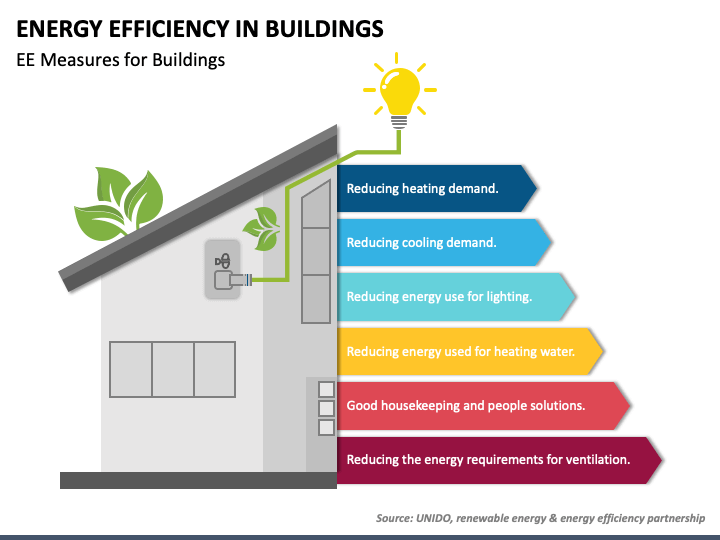
An HVAC system manages heating, ventilation, and air conditioning to maintain comfortable indoor conditions.The primary goals include:
Heating: Regulating indoor temperature to keep it within a comfortable range.
Ventilation: Filtering and circulating air to remove pollutants, allergens, and excess humidity.
Key Components
Heating: Using systems like boilers, or heat pumps. Being operated through conduction, convection, or radiation.
Ventilation: This involves exchanging indoor air with fresh outdoor air to maintain air quality. It helps remove moisture, odors, and airborne contaminants, ensuring a healthy environment. Ventilation can be natural or mechanical, depending on the system design.
Air Conditioning: This component cools the indoor air and removes excess humidity, enhancing comfort during hot weather. Air conditioning systems can vary in complexity from simple window units to sophisticated central systems.
How HVAC Systems Work
The process typically involves:
Thermostatic Control:
The thermostat monitors indoor temperature and triggers the HVAC system when it deviates from the desired setting.
The system circulates air through ducts or vents, filtering and conditioning it before distributing it throughout the building.
Applications:
HVAC systems are widely used in various settings, including:
Homes, offices, retail stores, restaurants and other commercial premises.
In summary, HVAC systems play a crucial role in enhancing comfort and ensuring healthy indoor environments across different types of buildings. They are vital for maintaining comfort and air quality, making them essential in modern architecture and design.
If you found this article useful please check out the other articles on my blog and if you need any assistance with a planning application, etc, please get in touch.


Comments